
Mon to Sat, 7:00am to 7:00pmNairobi, Kenya (moving clients countrywide)

+254 184 379 590info@kejapalmovers.co.ke

Moving tips and checklists

How to Pack for Moving: A Room-by-Room Guide

This guide explains how to pack for moving, room by room, with the methods professional packers use to keep plates, glasses, electronics, clothes and furniture safe. It covers materials, box sizes, labelling and the order to pack in, so unpacking is quick and nothing breaks on the way.

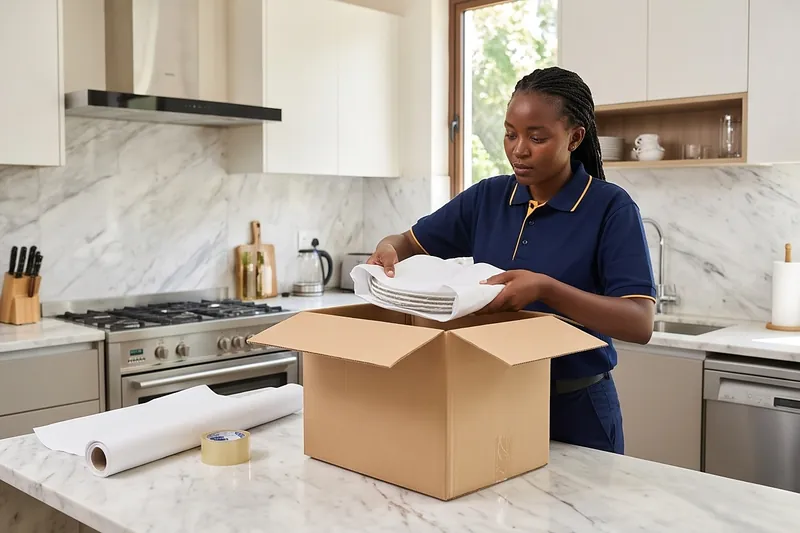
Packer showing how to pack for moving by wrapping plates into a box

Quick answer

Use strong boxes, plenty of paper and good tape. Put heavy things in small boxes and light things in large ones. Wrap each fragile item separately, fill every gap and label each box with its room and contents. Pack the rooms you use least first, and keep a bag of essentials with you.

Good packing prevents most moving damage. Plates crack when they rattle, boxes collapse when they are overfilled, and electronics break when they slide. Yet the fixes are simple. With the right materials and a clear method, anyone can pack a home safely. This guide shows how to pack for moving the way our packers do it every day.

If you would rather hand the job to a team, our packing services cover full or partial packing. Either way, the methods below are the same.

Packing

Materials you need to pack for moving

  • Boxes. Small, medium and large double-walled boxes, plus wardrobe boxes for hanging clothes.
  • Packing paper. Plain paper for wrapping plates and glasses. Avoid newspaper, because the ink rubs off.
  • Bubble wrap. For electronics, frames and very fragile items.
  • Tape. Strong packing tape and a tape gun to save time.
  • Stretch wrap. For sofas, mattresses and drawers that must stay shut.
  • Markers and labels. Thick markers for room names and contents.
  • Small bags. Zip bags for screws, bolts and small fittings.

Packing

The golden rules of packing

  1. Heavy items in small boxes. Books, tins and tools go in small boxes, so they stay easy to lift.
  2. Light items in large boxes. Bedding, pillows and lampshades go in large boxes.
  3. No empty space. Fill every gap with paper or towels, so nothing moves.
  4. Tape every seam. Tape the bottom in an H shape, not just one strip.
  5. Label two sides. Write the room and contents on the top and one side.
  6. Keep boxes under 20 kilos. Heavier boxes break and hurt backs.

Packing

How to pack for moving: the kitchen

The kitchen takes longest, so start it early, but leave the things you use daily until the end. Here is the method.

  • Line the box with crumpled paper.
  • Wrap each plate in paper and stand it on its edge, like records in a crate.
  • Wrap glasses one by one, stuffing paper inside each glass first.
  • Nest pots and pans with paper between them.
  • Pack knives with the blades wrapped in cardboard and taped.
  • Seal opened food tightly, or give it away before the move.
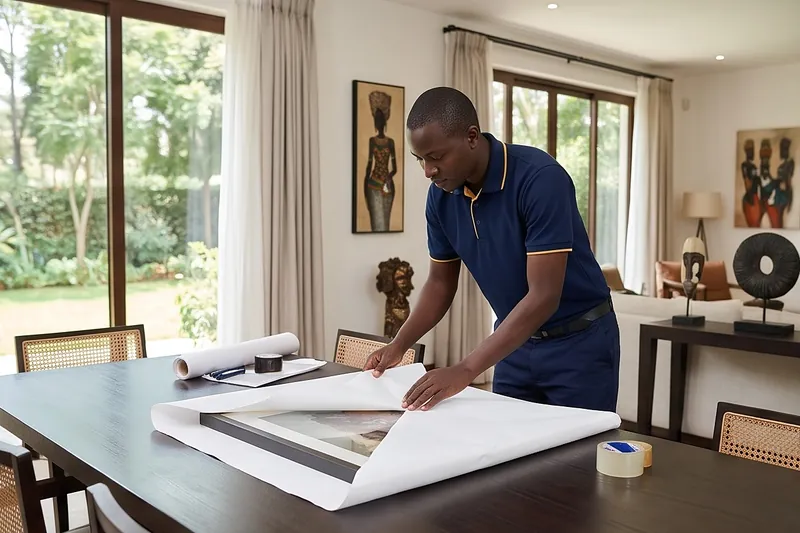
Packing for moving: boxes, tape, paper and bubble wrap ready to use
Good materials are half the job: strong boxes, plain paper and proper tape.

How to pack for moving: bedrooms and wardrobes

Clothes are easy, but they take a lot of space. Therefore use wardrobe boxes for hanging clothes, so they arrive without creases. Folded clothes can go into suitcases and bags. Shoes go into boxes with paper inside each shoe. Bedding fills large boxes and doubles as padding for fragile items. Finally, strip beds on the last morning and pack the sheets in your first-night box.

Living room, books and decor

Books are heavy, so pack them flat or spine-down in small boxes. Wrap frames and mirrors in bubble wrap, then place them between cardboard sheets. Ornaments need paper inside and out. Meanwhile, cushions and throws can fill gaps in boxes of decor. Large mirrors and glass tables are best packed in special frames, which professional packers can build.

How to pack electronics for moving

If you still have the original boxes, use them. Otherwise, wrap TVs in blankets or bubble wrap and carry them upright. Before you unplug anything, photograph the cables at the back, so reconnecting is easy. Then put cables in labelled bags taped to the device. Laptops, hard drives and phones should travel with you, not on the truck. Also back up important files before moving day.

Bathrooms and cleaning products

Tighten lids on bottles and cover the openings with cling film before closing them. Pack bottles upright in a plastic bag inside the box, so leaks stay contained. Keep medicines with you. Do not pack bleach, thinners or other harsh chemicals together, and never pack flammable liquids.

Packing furniture for moving

Take apart beds, tables and wardrobes where possible. Keep the screws in labelled bags taped to the furniture. Then wrap each piece in moving blankets and stretch wrap. Glass shelves and doors come off and travel separately. Drawers can stay in place, but tape or wrap them shut. Our furniture movers handle all of this if you prefer.

How to pack for moving with children

Children can help. For example, give each child a box for their favourite toys and let them decorate it. Pack their room last and unpack it first at the new home. That way, they have a familiar space on the first night. In addition, keep a small bag of snacks, toys and a change of clothes for each child on moving day.

Packing

Labelling that makes unpacking easy

Write the room name in large letters on the top and one side of each box. Under it, list the main contents. Mark fragile boxes clearly and show which way is up. Some families use a different colour for each room. Then, at the new home, put a matching colour sign on each door. As a result, the movers can place boxes without asking, and you know where everything is.

Packing

The order to pack in

  1. Four weeks out. Stores, spare rooms, books and out-of-season clothes.
  2. Three weeks out. Decor, frames, extra kitchen items and toys not in use.
  3. Two weeks out. Most of the kitchen, most clothes and the living room.
  4. Last week. Remaining clothes, bathroom items and daily kitchen items.
  5. Last day. Bedding, the first-night box and the essentials bag.

For the full timeline, see our house moving checklist.

Packing

Items not to pack for moving

  • Money, jewellery, documents and passports: keep them with you.
  • Medicines and baby essentials: keep them in your bag.
  • Fuel, gas cylinders that are not empty, paint thinners and fireworks: never pack them.
  • Perishable food: eat it, give it away or carry it in a cool box.

Some items are dangerous on a truck. If you are unsure, check general safety advice from the Kenya Bureau of Standards or ask your movers.

Packing for moving on a budget

Packing does not have to be expensive. For instance, use towels, sheets and clothes as padding instead of buying extra bubble wrap. Ask supermarkets and shops for clean, strong boxes they no longer need. Use suitcases and laundry baskets as containers. However, do not save money on tape or on boxes for heavy and fragile items, because a collapsed box costs more than a new one. In addition, buy materials in a bundle, which is usually cheaper than buying piece by piece.

Packing for a long-distance move

Long trips mean more vibration and more time on the road. Therefore add extra padding around fragile items and fill every box to the top, so nothing shifts. Seal boxes on all seams against dust. Also wrap furniture fully in stretch wrap as well as blankets, because dust and rain are more likely on long routes. Our long-distance movers pack for these trips every week.

Packing

How long packing takes

A one-bedroom home takes one person about two to three days of steady packing. A three-bedroom family home can take a week or more. In contrast, a team of professional packers can pack a three-bedroom home in one day. If time is short, consider a mix: you pack clothes and books, and the packers do the kitchen and fragile items.

Packing

Common packing mistakes

  • Using old, weak boxes that collapse when stacked.
  • Overfilling large boxes with heavy items.
  • Leaving gaps that let items rattle and crack.
  • Forgetting to label, so unpacking becomes a hunt.
  • Packing chargers and keys in random boxes.

Unpacking after the move

Unpacking is faster when packing was done well. Start with the kitchen and bedrooms, because food and sleep come first. Next, unpack the bathroom and the children's rooms. Leave books and decor for later. Flatten empty boxes as you go, and ask your movers to collect them. In the end, a careful method of how to pack for moving makes unpacking feel like the easy part.

Need help packing?

If you would rather not pack yourself, our packers bring all materials and pack a home in a day. Request a moving quote and tell us which rooms you want packed.

Costs and pricing

A note on moving prices

We do not publish fixed prices, because every move is different. Instead, we assess each move, send a written quote and agree the final price with you, so the figure you agree reflects your real move. If you are working to a budget, tell us early. Then we can suggest options, such as packing some boxes yourself, moving mid-month or sharing a truck on long routes.

Get started

Get your moving quote

Tell us what you are moving and where, and our move coordinator will call you back within one working day to plan it with you.

  • Clear, itemised written quote
  • Packing, transport and setting up from one team
  • Careful crew, padded and wrapped furniture

Prefer to talk? Call +254 184 379 590

We reply within one working day. Or call +254 184 379 590.

Frequently asked questions

What is the best way to pack plates for moving?

Wrap each plate in plain paper and stand it on its edge in a box lined with crumpled paper, filling every gap.

How heavy should a moving box be?

Keep each box under about 20 kilos. Put heavy items in small boxes and light items in large ones.

Should I use newspaper to wrap dishes?

It is better to use plain packing paper, because newspaper ink can rub off onto dishes and hands.

How long does it take to pack a house?

One person needs two to three days for a one-bedroom home. A team of packers can pack a three-bedroom home in about a day.

Planning a move?

Tell us what you are moving and where. We will check the load in person or on a video call, give you a clear written quote and plan moving day with you.

CallWhatsAppAsk usQuote